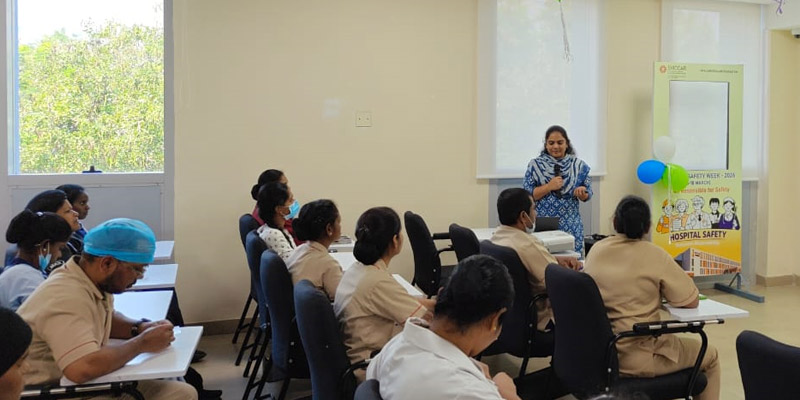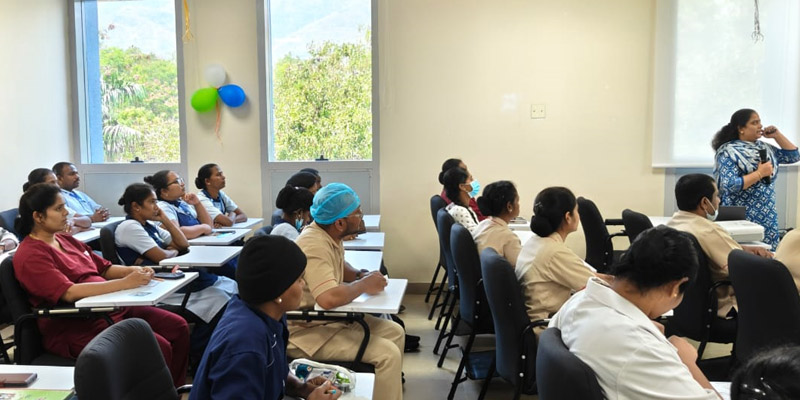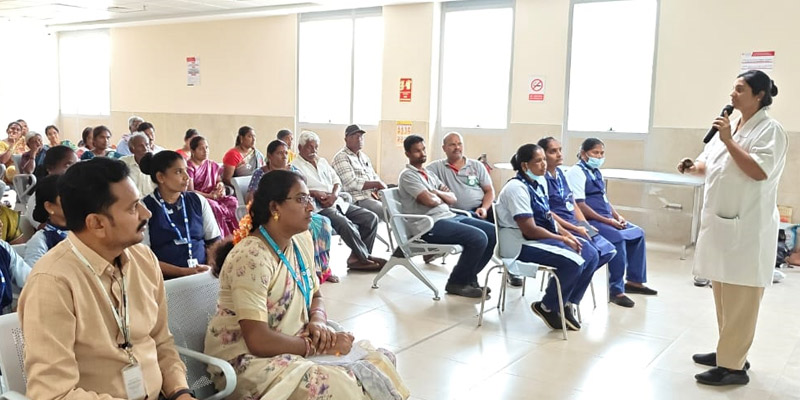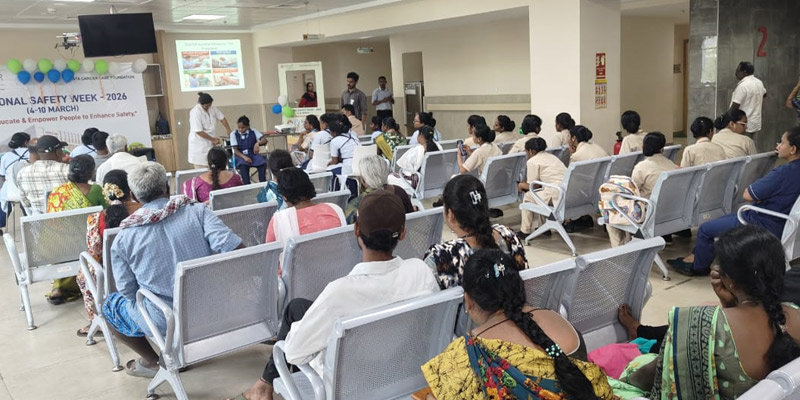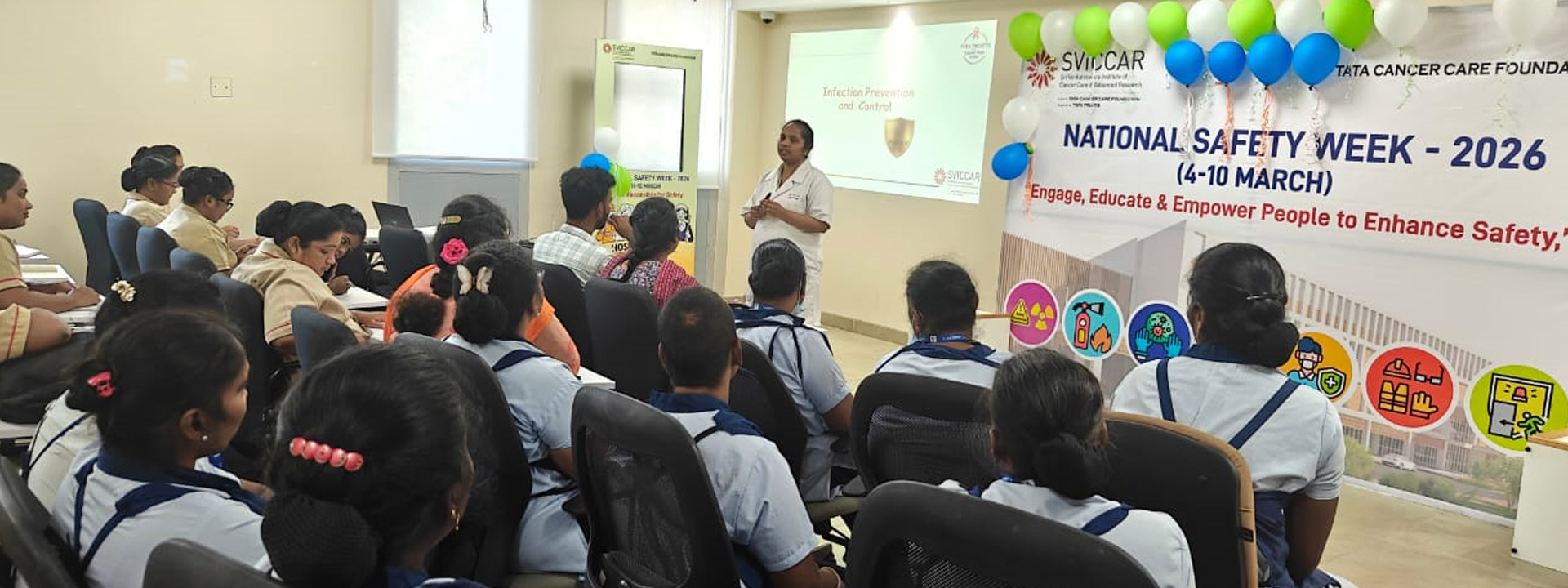

Engage, Educate & Empower People to Enhance Safety March 4th – 10th
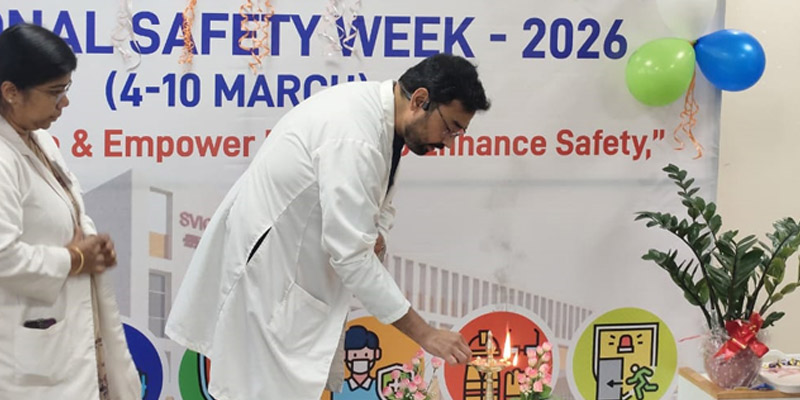
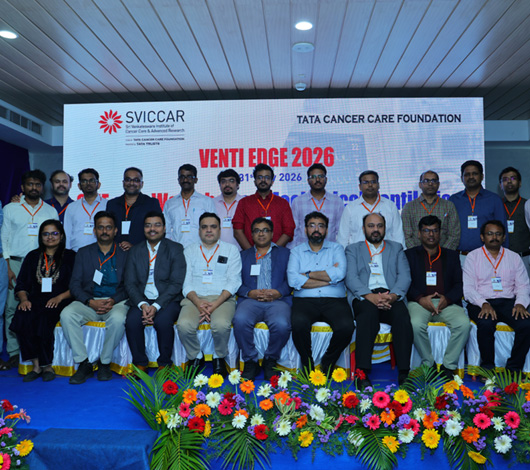
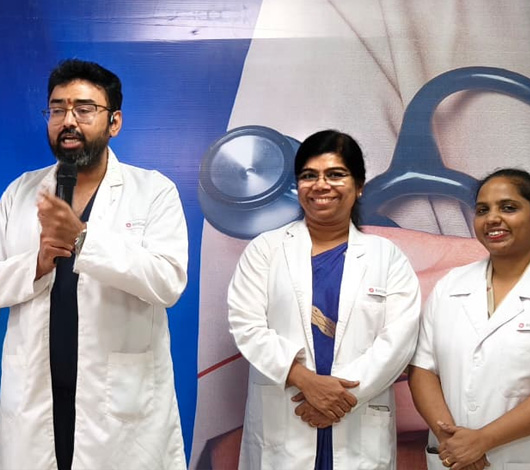
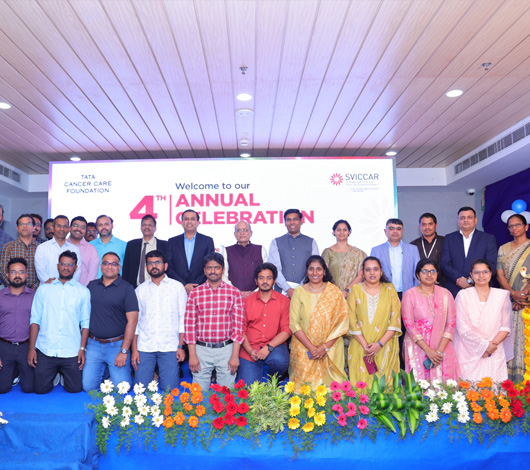
The Opening Ceremony began with a hospital leadership speech, highlighting the significance of National Safety Week in the context of the cancer hospital. The ceremony was initiated by the ceremonial lighting of a lamp by Medical Director Dr. Prasanth Penumadu, along with the hospital management team. A brief overview of the activities of the week was presented, highlighting the safety goals to be met. A safety campaign was initiated with the distribution of badges emphasizing basic safety behaviour. A Safety Drawing Competition was also conducted, and the charts prepared by participants were displayed opposite the Admin Block to promote different safety measures and encourage safety awareness among staff and visitors.
The Review of work safety protocols emphasized ways to prevent slipping, falling, and tripping in patient and work spaces. In addition, radiation safety was discussed with an emphasis on avoiding exposure to ionizing radiation by following the ALARA principle, which includes time, distance, and shielding as basic protective measures.
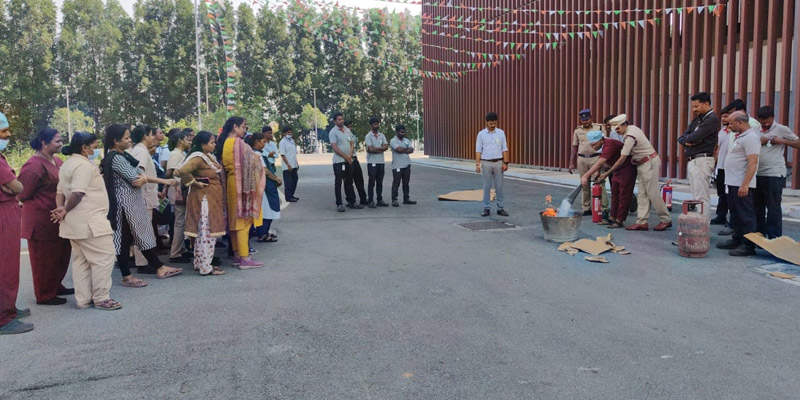
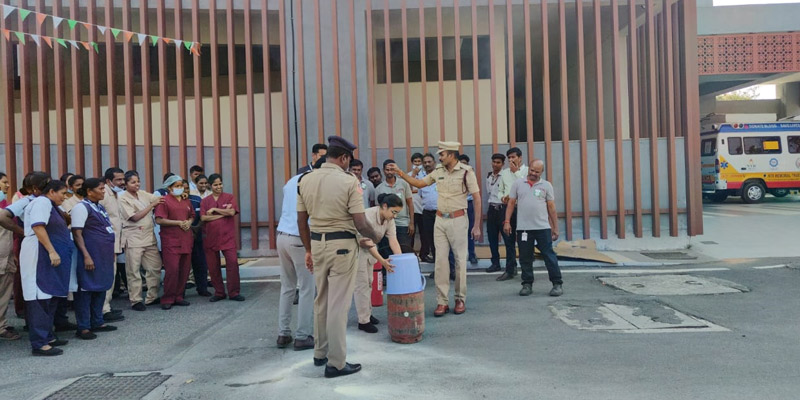
Regarding fire safety and emergency evacuation, the cancer care staff was provided specialized training on the specific fire hazards contained in chemotherapy and radiology departments, including flammable chemicals and oxygen therapy. Evacuation procedures were discussed to prepare for a fire emergency, especially for cancer patients who might have mobility or respiratory issues. A fire safety equipment demonstration was also conducted to teach staff the proper use of fire extinguishers and exit routes. To support these, there was also a fire evacuation drill which involved simulating an emergency situation to familiarize both patients and staff with the routes of escape and emergency procedures.
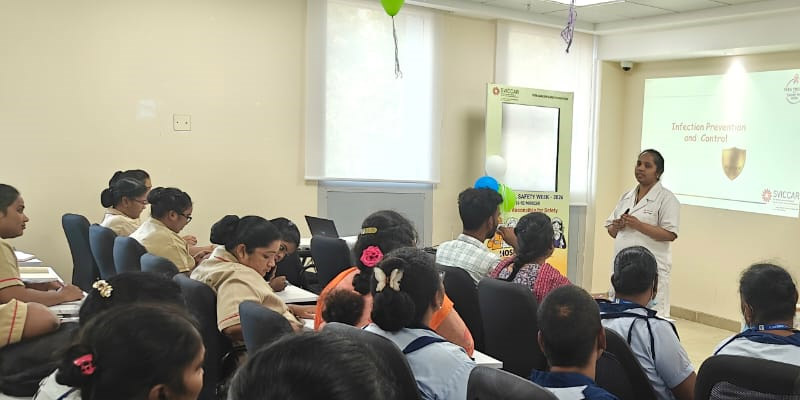
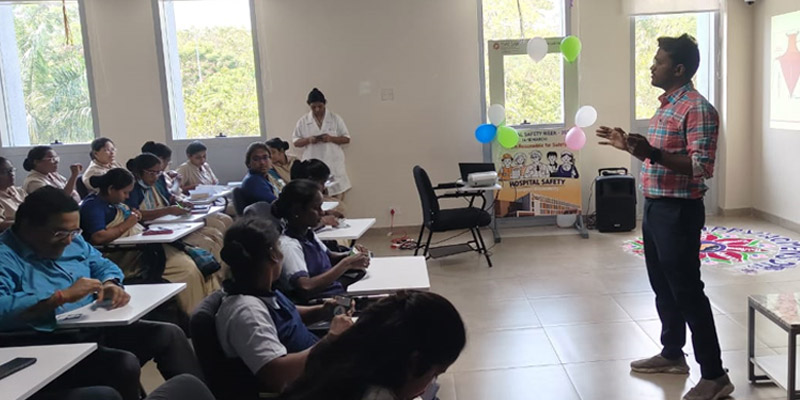
Infection Control and Medication Safety are critical components in the care of cancer patients, particularly those who are immunocompromised and at heightened risk for infections. Staff training should emphasize the significance of infection prevention, including proper hand hygiene techniques, which involve demonstrating effective handwashing and the appropriate use of hand sanitizers to minimize infection transmission. Review of chemotherapy equipment and infusion chair cleaning and disinfection processes should be emphasized to avoid cross-contamination. Staffs awareness can also be boosted through an interactive session, in which the staff is educated on how to identify early warning signs of infection among patients undergoing treatment.
In terms of medication safety, training must cover the particular risk involved in chemotherapy and pain management drugs, emphasizing the "5 Rights" of drug administration. Personnel should also be trained on safe handling of high-risk drugs, such as their storage, preparation, and disposal. Fall prevention and error prevention are equally crucial in promoting patient safety. Staff must also be trained on how to prevent cancer patients from falling, i.e., use of gait belts, the provision of bright lights in the patient environment, and the elimination of fall risk factors. Training staff in conducting patient fall simulation drills will equip them with what to do and how to handle fall incidents as they occur. In addition, prevention of medication errors can be supported through role-playing situations that demonstrate safe procedures for delivering cancer therapies, such as chemotherapy and immunotherapy. Coordination with the hospital pharmacy is important to guarantee compliance with safe medication procedures and proper documentation of all cancer therapies.
Healthy Lifestyle: Proper nutrition and regular exercise are the cornerstones of a healthy approach to health that also includes sleeping well, following mindfulness practices, stress management, physical and mental fitness, and social relationships.
Ergonomics Training: In addition to practicing proper lifting manoeuvre’s, it's important to note safe lifting especially when working with patients with immobility problems or those regularly receiving treatment. Stress Management and Mental Well-being for Cancer Care Professionals: To aid workers in dealing with the emotional problems of treating cancer patients, offering resources like stress-relief mechanisms, mindfulness, and mental wellness is imperative.
Prize Distribution: The prize distribution was conducted by our Medical Director, Dr. Prasanth Penumadu, along with the hospital management team. Three judges reviewed the safety chart drawings and selected the top three winners based on their evaluation. The winners were awarded prizes and certificates in recognition of their creativity. Participation certificates were also distributed to all the drawing competition participants in appreciation of their efforts and enthusiasm in promoting safety awareness.
Appreciation Certificates were presented to the top five well-performing ERT (Emergency Response Team) members in recognition of their dedication, active participation, and valuable contribution to maintaining safety and emergency preparedness within the hospital.